
The Dispatch
Weekly Insights into Society & Politics (March 2026- Edition 28)

National
Election Countdown Begins
Parties Gear Up for the Upcoming Assembly Elections
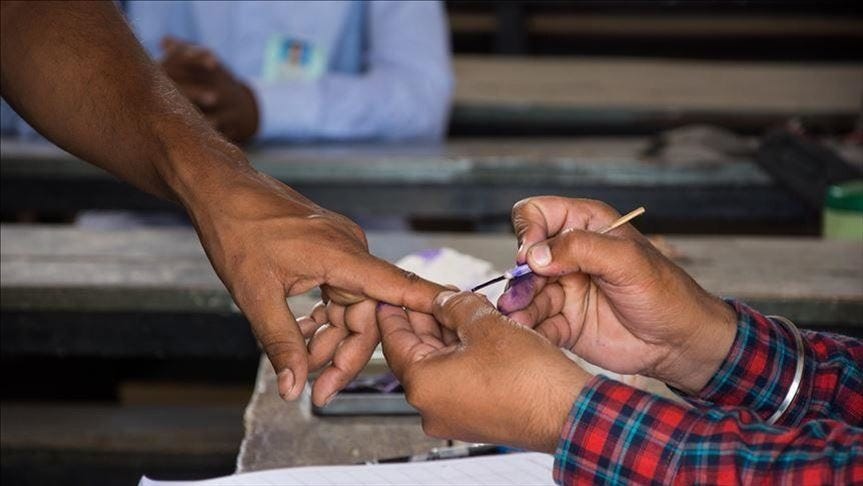
The Election Commission of India has announced the schedule for the General Elections to the Legislative Assemblies of Assam, Kerala, Tamil Nadu, West Bengal, and the Union Territory of Puducherry, along with by-elections in six states, setting in motion one of the largest electoral exercises in the country.
With over 17.4 crore eligible voters, the Commission has deployed an extensive administrative machinery of more than 25 lakh personnel to ensure the smooth and orderly conduct of polls. This includes around 15 lakh polling staff, 8.5 lakh security personnel, and thousands of counting officials, micro-observers, and sector officers, reflecting the scale and complexity of the electoral process. On average, there will be one election official for every 70 voters.
Chief Election Commissioner Gyanesh Kumar emphasized that all officials have been instructed to maintain complete impartiality and uphold the principles of free, fair, and violence-free elections, ensuring that every voter can exercise their franchise without fear or inducement.
To strengthen monitoring, 1,111 central observers have been deployed across 832 Assembly constituencies. These include general, police, and expenditure observers, who will act as the Commission’s “eyes and ears” on the ground. They are tasked with interacting regularly with candidates, political parties, and the public to address grievances and ensure adherence to electoral norms.
The Commission has also enhanced voter support systems at the grassroots level. Over 2.18 lakh Booth Level Officers (BLOs) will be accessible through phone and the ECINet mobile application, while a dedicated helpline—1950—has been activated for voter queries and complaints. The large-scale deployment and institutional mechanisms underline the Commission’s effort to ensure transparency, efficiency, and public confidence in the electoral process.
State-wise Elections features different flavors
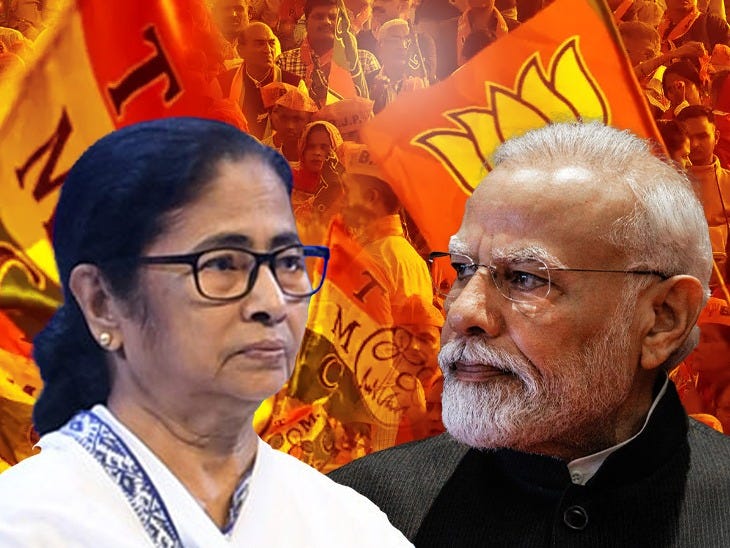
The upcoming 2026 Assembly elections in West Bengal are expected to be highly charged, shaped by a mix of demographic realities, political narratives, and leadership dynamics. Issues such as illegal migration from Bangladesh and the state’s significant Muslim population are likely to feature prominently in campaign discourse, adding to the intensity of the contest.
Mamata Banerjee continues to lead the All India Trinamool Congress with established political strength, though questions are being raised about her connection with a younger electorate that is becoming increasingly influential. The party is expected to rely on its traditional support base, including minority communities, while also attempting to retain its broader social coalition.
On the other hand, the Bharatiya Janata Party is likely to sharpen its focus on the consolidation of Hindu voters and expand its appeal among other communities, while strongly positioning itself on issues of development and governance. The BJP’s strategy includes deepening its outreach among Bengali voters and presenting itself as a credible alternative to the incumbent government.
With both parties adopting sharply contrasting approaches and narratives, the 2026 elections in West Bengal are set to witness an intense and closely watched political battle.
On the other hand, Assam, Tamil Nadu, and Bihar elections will give another type of surprise to the parties.
As we see, Assam is a stronghold of the BJP with the Bodoland People’s Front (BPF) in the NDA and Hemant Biswa Sarma at the helm, with open animosity towards Muslims. With prolonged questions of unemployment and rural economic stagnation, along with the tussle between Gogai and Sarma, the Assam race is going to be very interesting.
In Tamil Nadu, with increasing NDA influence, Stalin’s magic is on the test.
M. K. Stalin enters the electoral contest as the incumbent, carrying forward a political legacy he has long prepared to inherit. Having steadily consolidated his position over the years, he now faces a renewed and evolving opposition landscape. The AIADMK is seeking a revival by tapping into public discontent, in alliance with the Bharatiya Janata Party, which has now become a more significant player in the state’s politics.
So, the overall state elections in 2026 are going to yield much more public interest and political conquest in big names.
—
Strike Against Illegal Conversion
Maharashtra Passes ‘Dharma Swatantrya Bill 2026”
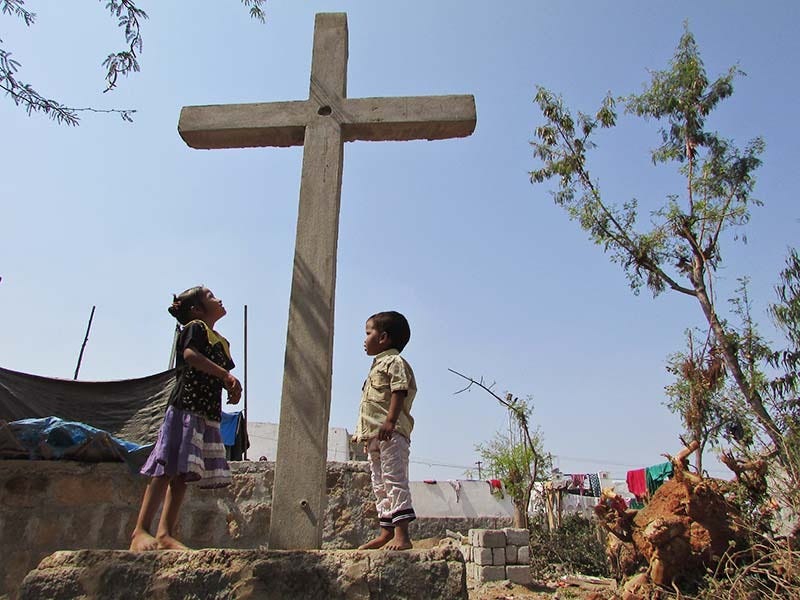
Curbing the rampant religious conversion in Maharashtra, the Maharashtra government comes up with strong legal provisions.
The ‘Dharma Swatantrya Abhiniyam 2026’ was passed by the Maharashtra Legislative Assembly on 16 March 2026, introducing stricter rules to regulate religious conversions and penalize those considered unlawful. The law aims to prohibit conversions carried out through coercion, fraud, inducement, or marriage, and has triggered debate over its impact on religious freedom and personal liberty.
Chief Minister Devendra Fadnavis defended the legislation, stating that it is not targeted at any specific religion but is meant to prevent forced or deceptive conversions.
He argued that the law aligns with Article 25 of the Constitution of India, which guarantees the right to practice and profess religion, but does not permit conversion through coercion or misrepresentation.
The passage of the Dharma Swatantrya Abhiniyam 2026 shows that Maharashtra is now part of a growing trend across India where states are bringing laws to control religious conversions.
Maharashtra became the 13th state in India with such a law. Other states are Odisha, Madhya Pradesh, Arunachal Pradesh, Chhattisgarh, Gujarat, Himachal Pradesh, Jharkhand, Uttarakhand, Uttar Pradesh, Karnataka, Haryana, and Rajasthan.
The law not only punishes forced conversions but also tries to prevent them by requiring prior notice and allowing authorities to act on their own. It also goes beyond criminal law by dealing with issues like the validity of marriages and the rights of children in cases where conversions are declared illegal. This means the law affects both legal and social aspects of people’s lives.
Overall, the law follows a wider pattern that started with the Odisha Freedom of Religion Act 1967, but today such laws are increasingly focusing on interfaith marriages and personal relationships, not just religious conversions.
Key Points of Dharma Swatantrya Abhiniyam
The Dharma Swatantrya Abhiniyam 2026 criminalizes religious conversion carried out through allurement, coercion, deceit, force, misrepresentation, threat, undue influence, fraud, or marriage.
Police are empowered to take Suo Motu action without waiting for a formal complaint, though complaints can also be filed by the affected person or their relatives.
Unlawful conversions are punishable with up to 7 years of imprisonment and a fine of up to ₹1 lakh.
Harsher penalties apply in aggravated cases (involving women, minors, persons of unsound mind, SC/ST communities, or mass conversions), with fines up to ₹5 lakh and a 7-year jail term.
Repeat offenders can face up to 10 years of imprisonment and fines up to ₹7 lakh.
Institutions involved in unlawful conversions may have their registration cancelled and can lose eligibility for state funding or aid.
—
“Dialogue Yielding Results”
3rd India-Flagged Oil Tanker Reaches India
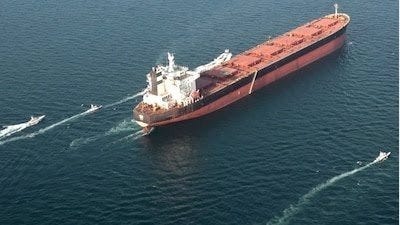
Amid escalating war between Iran, Israel, and the US and rising tensions about oil and LPG supply in India, a third oil tanker gave some good news to Indians.
The arrival of the Indian vessel Jag Laadki at Mundra Port, operated by Adani Ports and Special Economic Zone Limited, with about 80,886 metric tons of crude oil from the United Arab Emirates, is important not just economically but also geopolitically.
At a time when tensions in West Asia can affect oil supply routes, this shipment shows that India’s ties with Gulf countries remain strong and reliable. It highlights India’s ability to continue getting energy supplies even during uncertain global conditions.
This delivery helps keep refineries running smoothly and supports India’s energy needs, while also strengthening its position as a country that can manage its energy security despite global disruptions.
Earlier this week, two Indian-flagged LPG carriers—MT Shivalik and MT Nanda Devi—safely crossed the Strait of Hormuz and reached India on March 16 and 17, carrying around 92,712 metric tons of LPG.
This movement is significant as the Strait of Hormuz is one of the world’s most sensitive and strategic oil transit routes, often affected by regional tensions. The safe passage of these vessels highlights India’s continued access to critical energy supplies despite geopolitical risks.
To protect its shipping and trade interests, India has been maintaining a steady naval presence in the region under Operation Sankalp, ensuring the safety of commercial vessels and reinforcing its commitment to secure energy lifelines.
“Dialogues Already Yielding Results”
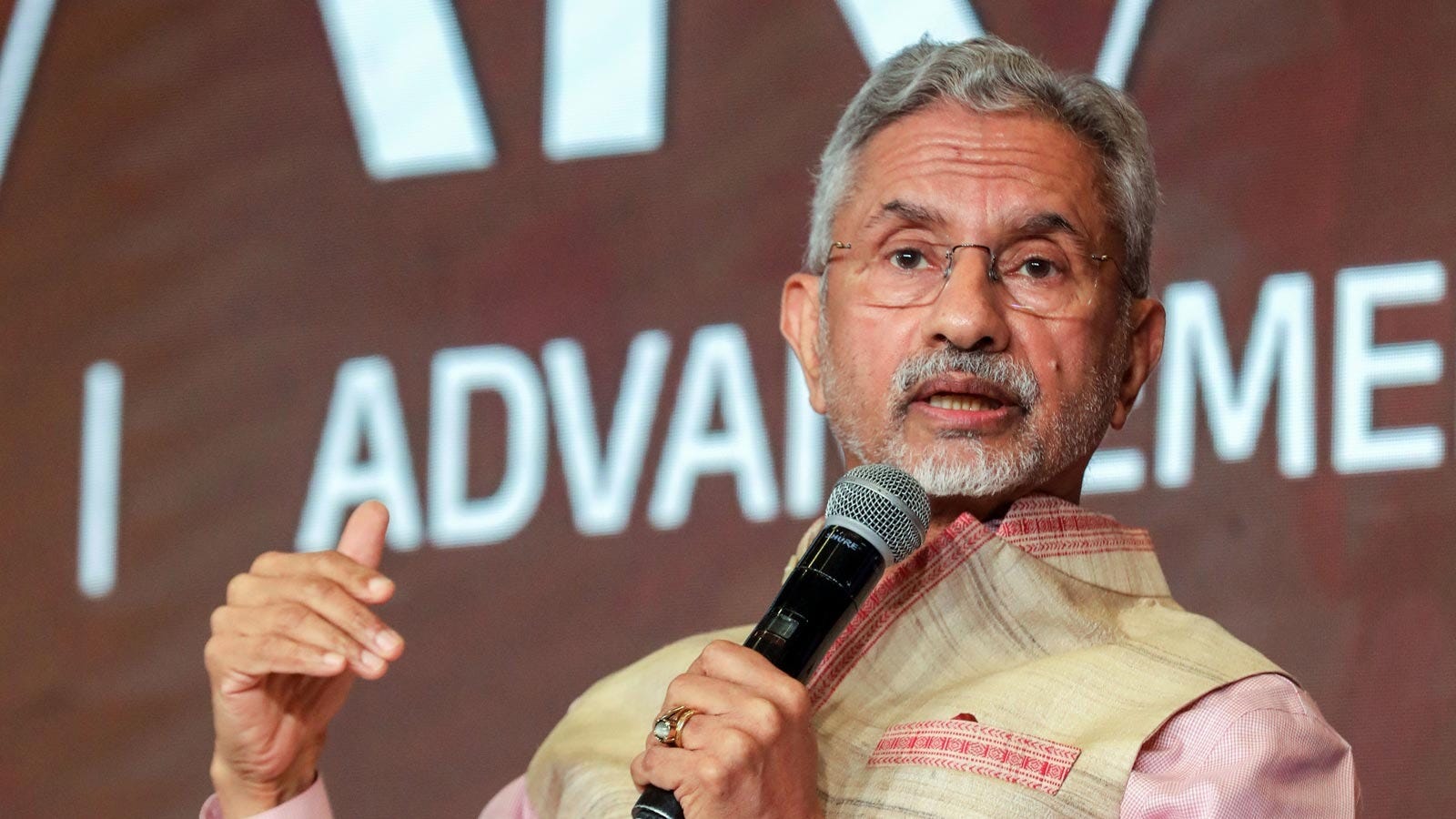
On this ongoing war and the safety of Indians in Gulf countries, Minister of External Affairs S. Jaishankar has stressed the need for direct talks with Iran to ensure the safe movement of Indian ships through the Strait of Hormuz, as tensions rise in the Middle East.
In an interview with the press, he said India is actively engaging with Tehran to help keep this crucial sea route open, through which nearly 20% of global oil trade passes. He noted that these discussions are already showing some positive results, highlighting that dialogue and coordination are India’s preferred approach.
However, he clarified that there is no overall agreement yet for all Indian ships, and movement through the Strait is currently being handled on a case-by-case basis.
These remarks come amid rising tensions after Donald Trump warned of possible further strikes on Iran’s Kharg Island, a key hub for oil exports.
Trump has also called on countries like China, France, Japan, South Korea, and the United Kingdom to deploy naval forces to secure the route.
Jaishankar explained that India’s strategy focuses on continued engagement with Iran to protect its energy interests, while also noting that each country’s approach to Tehran depends on its own situation and priorities.
—
Institutional Activities
Panel Discussion on
West Asia in Turmoil: Regional Conflict, Strategic Autonomy and India’s Policy Choices
The Dr. Shripati Shastri Research Institute of Social Sciences organized an online panel discussion titled “West Asia in Turmoil: Regional Conflict, Strategic Autonomy and India’s Policy Choices”, bringing together leading strategic experts to examine the implications of the ongoing conflict in West Asia.
The panel featured Anil Trigunayat, Distinguished Fellow at the Vivekananda International Foundation, and Admiral Arun Prakash, former Chief of Naval Staff, who offered detailed insights into the evolving geopolitical situation. As the war entered its 15th day, both speakers emphasized that the conflict involving Iran, Israel, and the United States is increasingly reflecting a broader geopolitical contest with global consequences.
Ambassador Trigunayat highlighted the diplomatic dimensions of the crisis, noting that shifting alliances and strategic calculations are redefining regional power structures. He stressed that India must continue to pursue dialogue and diplomatic engagement with all stakeholders to safeguard its national interests.
Admiral Arun Prakash focused on the security and maritime aspects, underlining the importance of safeguarding critical sea lanes and energy supply routes, particularly in sensitive regions.
Both speakers discussed the serious implications of the conflict on global energy markets and India’s energy security, pointing out that disruptions in West Asia can have direct economic consequences. They also emphasized India’s consistent policy of prioritizing the safety and welfare of its citizens in the Gulf region, alongside maintaining a balanced and independent foreign policy stance.
The discussion concluded that in a rapidly changing international order, India’s approach—anchored in strategic autonomy, dialogue, and pragmatic engagement—remains crucial in navigating the complex challenges emerging from the ongoing conflict.
The session was moderated by SSRISS Director, Dr. Akshay Ranade.
- Curated by Sharayu Bapat
Research Assistant, SSRISS
Follow us: